
Women everywhere are jetting off to explore new cultures, and these are the easiest, safest, and coolest places to do so
Get us in your inbox
🙌 Awesome, you're subscribed!
Thanks for subscribing! Look out for your first newsletter in your inbox soon!
Oops, no results for:
Try checking your spelling or visit a recently searched city/country below
Try checking your spelling or visit a popular city below
Women everywhere are jetting off to explore new cultures, and these are the easiest, safest, and coolest places to do so
Women everywhere are jetting off to explore new cultures, and these are the easiest, safest, and coolest places to do so

Another small town is hoping to attract more permanent residents with crazy-low house prices

It’s the first scheme of it’s kind in the world, according to the Greek Tourism Ministry

A study has evaluated everything from rainfall and car free places to walking trails and general safety

One has over 5 million passengers scheduled to depart this month alone

Remote workers, time to get excited

And you’ll be hosted by one of the world’s best chefs

A study has looked at everything from beer quality and price to the local bars and pubs

A travel booking company has assessed which tourist attractions are most positively described in online reviews

Time Out Market us now open, bringing 17 top chefs to Souk Al Bahar

More than 40 spaces from Lisbon’s leading foodies, all under one roof

21 eateries from some of New York City’s top chefs and restaurateurs

13 kitchens, four unique bars, 750 seats and jaw-dropping Table Mountain views
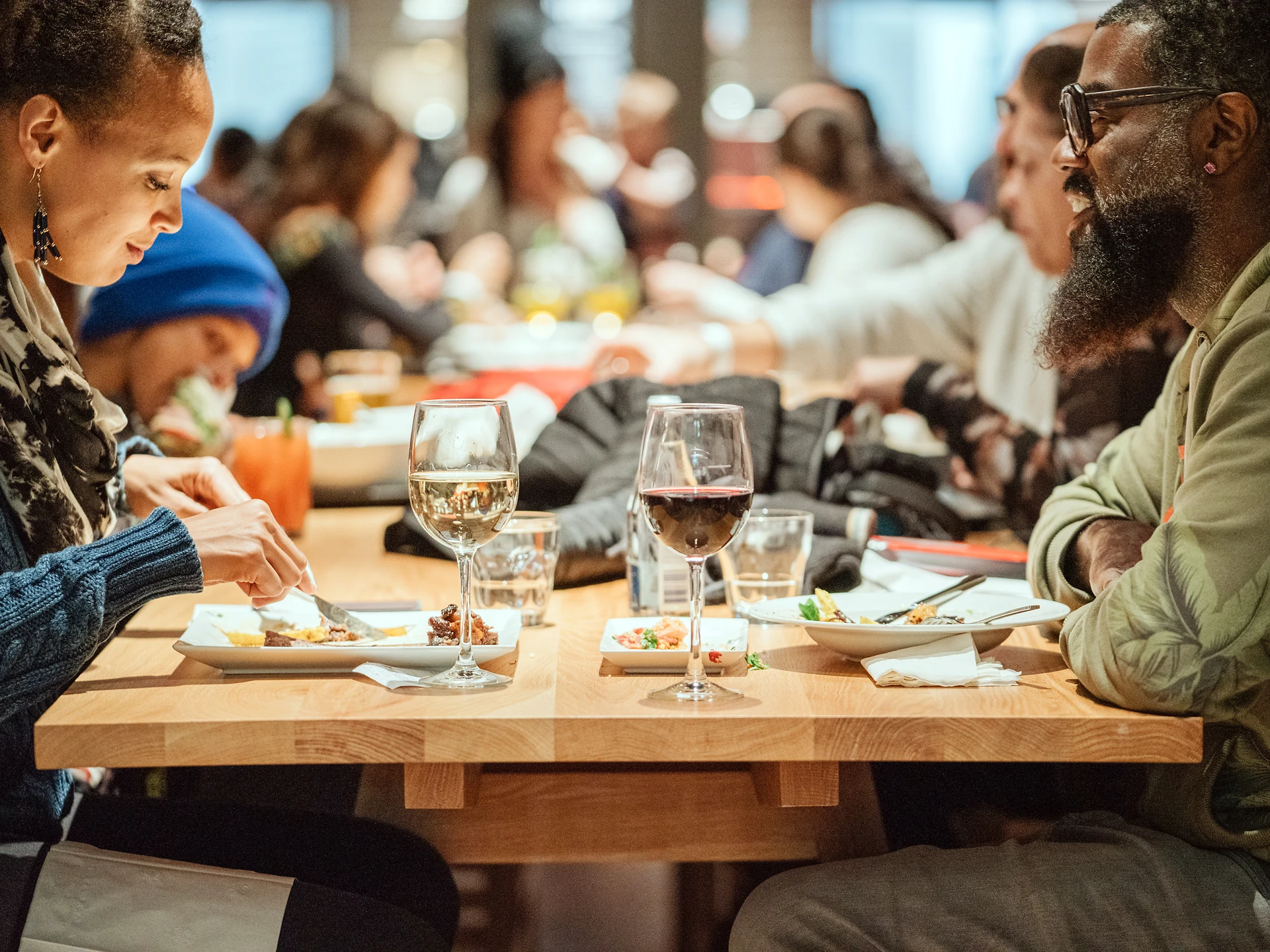
This expansive 36,000-square-foot food hall and cultural hub features 16 food offerings

This 50,000-square-foot food hall brings Time Out’s Chicago curation to life

We polled city-dwellers and grilled local experts for our annual ranking of the world’s coolest areas

Every year we rank the very greatest cities in the world, based on a survey of thousands of locals

From a little-known Greek island to an English seaside city brimming with culture, these underlooked destinations are well worth a visit

These beautiful islands around the world are the dictionary definition of paradise

Amazing culture, amazing restaurants, amazing bars, amazing everything

Malibu to Venice Beach to Sunset Strip to Amoeba Records: LA has it all

Time Out readers voted the Windy City the best in the world

Beach days and late-night parties fueled by rum and cafecito

Gorgeous beaches, a thriving restaurant scene and… penguins? Count us in

From hammams to haggling at souks, Marrakech is chilled one minute, full-on the next

South Africa’s biggest, buzziest city feels like it’s being reborn. Get around with our guide

Imagine a place where you’re warm all year round. Got it? Well, that’s Durban

This vast, football-mad metropolis is a melting pot of cultures, colours and cuisines

From Carnival to the ubiquitous street parties, no one throws a bash like Rio’s cariocas

Locals’ undying lust for life infatuates visitors to the humming Colombian capital

Head to Brazil’s biggest city for five-star food, killer clubs and sumptuous skylines
Discover Time Out original video


